Skip to content
Where to Place Fuel Tank Stickers (Correct Positions for Compliance in Australia)

Fuel tank stickers aren't just for looks.
👉 They're there for safety, identification, and compliance.
But one of the biggest mistakes across worksites, workshops, and fuel setups is putting them in the wrong place. Incorrect placement can lead to confusion, safety risks, and non-compliance.
This guide breaks down where fuel tank stickers should actually go, based on real-world use in Australia.
🔍 Why Placement Matters
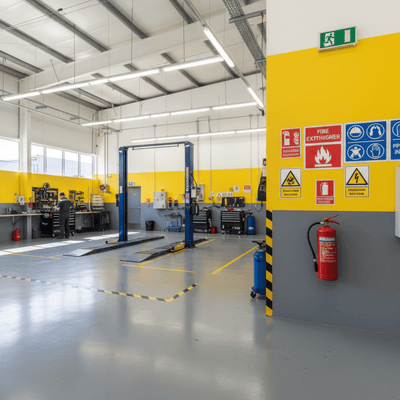
Fuel labels must be clearly visible, easy to identify, and positioned for quick recognition.
👉 In emergencies, seconds matter
⛽ Key Stickers You'll Typically Use
Most fuel setups include:
- Fuel type (Diesel, Petrol, AvGas)
- Hazard class (e.g. Flammable Class 3)
- No smoking / ignition warnings
- Tank identification (Fill / Vent / Dip)
👉 Each has a purpose — and a correct position
📍 Best Placement for Fuel Type Stickers
Position: Directly on or near the tank, close to the fill point.
Why: Immediate identification when refuelling, prevents cross-contamination.
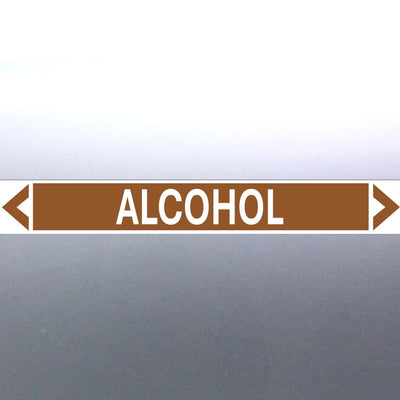
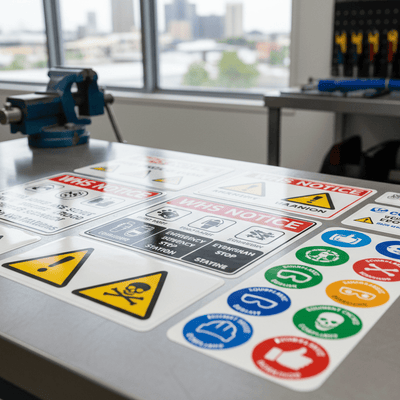
👉 Browse our fuel tank identification stickers — Diesel, Petrol, AvGas and more.
📍 Best Placement for Hazard Labels (Class 3, etc.)
Position: Clearly visible from the approach side, on tank body or enclosure.
Why: Alerts anyone nearby to risk, required for safety compliance.
👉 See our HAZMAT & hazard symbol stickers for compliant labels.
📍 Fill / Dip / Vent Labels
Position: Directly next to each function.
- "FILL" → fill point
- "VENT" → vent pipe
- "DIP" → dip access
👉 This prevents dangerous mistakes
📍 No Smoking / No Ignition Stickers
Position: Near tank access points and around the work area.
👉 Must be visible before interaction. Browse our safety stickers for compliant no smoking and ignition warning labels.
🚛 Mobile Tanks & Vehicles
For transport or mobile setups, place stickers on both sides if possible, near access points, and where operators naturally look.
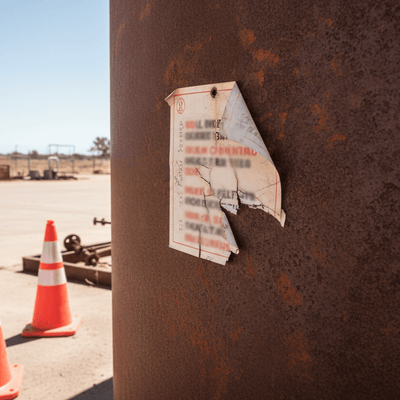
⚠️ Common Placement Mistakes
- ❌ Hidden behind equipment
- ❌ Too low or out of sight
- ❌ Placed randomly without logic
- ❌ Missing near fill points
👉 These create real safety risks
💡 Pro Tip: Think Like a New Operator
Ask: “If I've never used this before… can I understand it instantly?”
If not — your placement needs fixing.
🚀 Final Thoughts
Fuel tank stickers are only effective if they're visible, logical, and consistently placed. Correct placement improves safety, efficiency, and compliance.
🔥 Fix Your Fuel Tank Labelling
If your current setup is hard to understand, poorly labelled, or inconsistent — fix it with proper fuel tank stickers built for Australian worksites.