Skip to content
Fuel Tank Labelling Requirements in Australia (Diesel, Petrol, AvGas Explained)

Fuel tank labelling isn't optional.
In Australia, correct labelling helps prevent accidents, ensure safe handling, and meet compliance expectations.
But many setups are either under-labelled, incorrectly labelled, or completely missing key information. This guide breaks down what you actually need.
🔍 Why Fuel Labelling Matters
Fuel misidentification can cause equipment damage, fire hazards, and serious safety risks.
👉 Clear labelling prevents all of this
⛽ Basic Fuel Identification Requirements
Every tank should clearly display the fuel type — Diesel, Petrol, or AvGas.
Where to place: On tank body and near the fill point.
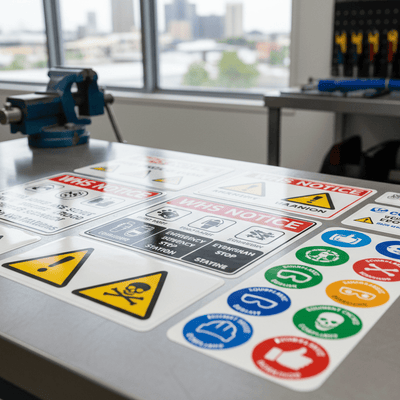
👉 Browse our fuel tank identification stickers — Diesel, Petrol, AvGas and more.
🔥 Hazard Labelling (Class 3 – Flammable Liquids)
Most fuels fall under Flammable Liquid – Class 3. This means you should include a hazard diamond and flammable warning.
Placement: Visible from approach, on main tank surface.
👉 See our HAZMAT & hazard symbol stickers for compliant Class 3 labels.
🚬 Safety Warning Labels
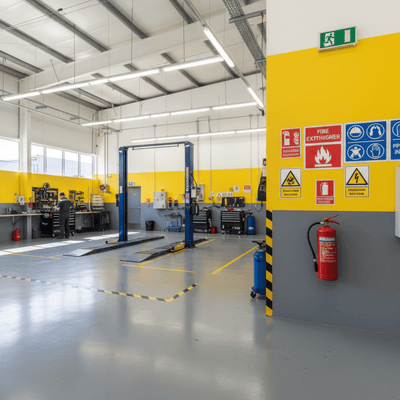
These are critical. Include No Smoking, No Open Flames, and No Ignition Sources labels.
Placement: Near tank access and around the work zone.
👉 Browse our safety stickers for compliant warning labels.
🔧 Functional Labels (Often Missed)
These are extremely important and frequently overlooked:
- FILL → fill point
- VENT → vent pipe
- DIP → dip access
👉 Prevents incorrect handling and improves safety for operators
🚛 Mobile & Site Tanks
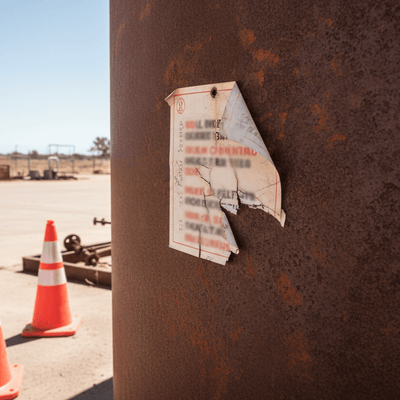
For transportable tanks, labels must be visible, durable, and weather-resistant.
☀️ Material Matters in Australia
Due to heat and UV exposure, stickers must be UV resistant, waterproof, and long-lasting. Our fuel tank stickers are built specifically for Australian outdoor conditions.
⚠️ Common Compliance Mistakes
- ❌ Missing hazard labels
- ❌ No fuel type identification
- ❌ Labels placed incorrectly
- ❌ Using low-quality materials that fade or peel
💡 Pro Tip: Standardise Every Tank
Best practice — every tank labelled the same way. This creates consistency, faster recognition, and safer operation.
🚀 Final Thoughts
Fuel tank labelling isn't complicated… but it must be done properly. If your setup is clear, visible, and consistent — you're already ahead of most.
🔥 Upgrade Your Fuel Tank Labelling
If your tanks are missing labels, hard to identify, or not compliant — fix it with durable fuel tank stickers built for Australian conditions.