Skip to content
Fire Safety Stickers & Extinguisher Labels: Australian Workplace Requirements

Fire safety equipment identification is a legal requirement in Australian workplaces under state and territory fire safety regulations and the Building Code of Australia. Missing or unclear fire safety signage creates serious risks: delayed emergency response, evacuation confusion, regulatory non-compliance, and potential loss of life in fire emergencies.
At Stick-Dat, we supply fire safety stickers and extinguisher labels for Australian businesses, facility managers, and building owners. Whether you're managing commercial buildings, industrial facilities, body corporate properties, or construction sites, clear fire safety identification protects occupants and ensures compliance.
Why Fire Safety Signage Is Critical
In a fire emergency, every second counts. Clear, visible fire safety stickers ensure that building occupants, workers, and emergency responders can quickly locate:
- Fire extinguishers and fire blankets
- Fire hose reels and hydrants
- Fire alarm call points and panels
- Emergency exits and evacuation routes
- Assembly points and muster areas
- Fire equipment service dates and inspection tags
Poor or missing fire safety signage can result in:
- Delayed fire response and increased property damage
- Evacuation confusion and potential injuries or fatalities
- Fire safety audit failures and compliance breaches
- Insurance claim complications
- Regulatory fines from fire services or councils
- Liability in fire-related incidents
Essential Fire Safety Stickers for Australian Workplaces
Fire Extinguisher Identification
Fire extinguishers must be clearly marked with:
- Red background location markers
- Fire extinguisher symbol and text
- Directional arrows if not in direct line of sight
- Extinguisher type and class identification
- Service and inspection date tags
Fire Hose Reel & Hydrant Markers
Fire hose reels and hydrants require:
- Red background identification signs
- Hose reel or hydrant symbol
- Location and directional markers
- Operating instructions (where applicable)
Fire Alarm & Detection Equipment
Fire alarm systems need clear identification of:
- Manual call points (break glass alarms)
- Fire indicator panels and control systems
- Smoke detector and sprinkler locations
- Fire alarm isolation points
Emergency Exit & Evacuation Signage
Emergency exits and evacuation routes require:
- Green background exit signs with running person symbol
- Directional arrows to nearest exits
- Assembly point and muster area markers
- Evacuation diagrams and floor plans
Fire Blanket Identification
Fire blankets must be marked with:
- Red background location signs
- Fire blanket symbol and text
- Operating instructions
- Service and inspection dates
Australian Fire Safety Compliance Requirements
Building Code of Australia (BCA)
The BCA (National Construction Code) requires:
- Fire safety equipment to be clearly identified
- Exit signs and emergency lighting
- Evacuation diagrams in specified buildings
- Compliance with AS 2444 (Portable fire extinguishers)
State & Territory Fire Safety Regulations
Each state has specific fire safety legislation:
- Queensland: Fire and Emergency Services Act
- NSW: Environmental Planning and Assessment Regulation
- Victoria: Building Regulations
- WA: Building Regulations
- SA, NT, Tas, ACT: State-specific building and fire safety codes
Australian Standards
Fire safety signage must comply with:
- AS 1319 (Safety signs for the occupational environment)
- AS 2444 (Portable fire extinguishers and fire blankets)
- AS 2441 (Installation of fire hose reels)
- AS/NZS 1668 (Fire and smoke control in buildings)
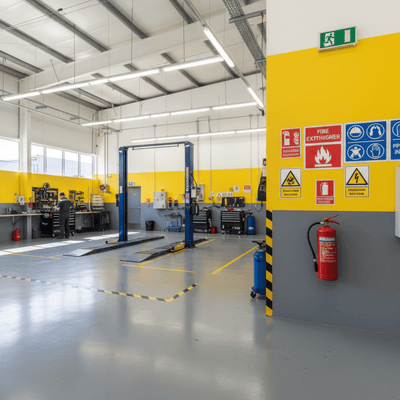
Where Fire Safety Stickers Must Be Displayed
Commercial Buildings & Offices
- Corridors and common areas
- Stairwells and lift lobbies
- Kitchen and break room areas
- Server rooms and electrical cupboards
- Reception and public areas
Body Corporate & Strata Properties
- Car park levels and basement areas
- Building lobbies and foyers
- Common property corridors
- Plant rooms and service areas
- Waste collection and storage areas
Part of broader body corporate compliance obligations.
Industrial Facilities & Warehouses
- Production floors and work areas
- Storage and racking zones
- Loading docks and dispatch areas
- Workshop and maintenance bays
- Chemical storage and hazardous areas
Construction Sites
- Site amenities and crib rooms
- Temporary site offices
- Fuel and chemical storage compounds
- Plant and equipment storage areas
- Multi-storey construction levels
Related to construction site safety compliance.
Retail & Hospitality
- Shop floors and customer areas
- Commercial kitchens and food prep areas
- Back-of-house and storage rooms
- Staff areas and change rooms
- Public toilets and amenities
Who Needs Fire Safety Stickers?
Our fire safety and extinguisher labels are used by:
- Facility managers and building owners
- Body corporate and strata managers
- Commercial property managers
- Industrial and warehouse operators
- Builders and construction contractors
- Retail and hospitality businesses
- Schools, TAFEs, and universities
- Councils and local government facilities
- Medical and healthcare facilities
- Fire equipment suppliers and service providers
Integration with Emergency Response Systems
Fire safety stickers work alongside other emergency equipment markers:
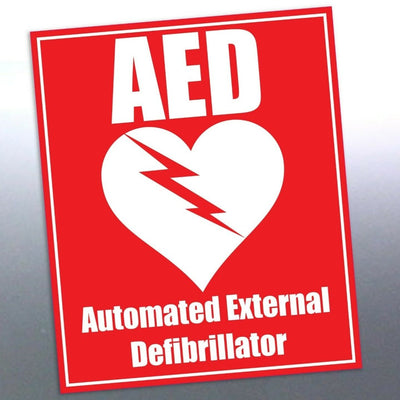
- First aid and AED location markers
- Emergency assembly point signs
- Evacuation route diagrams
- Emergency contact information
- Spill kit and emergency response equipment
Similar to first aid and emergency equipment requirements, fire safety signage ensures rapid emergency response.
Fire Extinguisher Types & Classification
Class A - Ordinary Combustibles
For wood, paper, textiles, and general materials. Typically water or foam extinguishers.
Class B - Flammable Liquids
For petrol, oils, paints, and solvents. Foam, dry powder, or CO2 extinguishers.
Class C - Flammable Gases
For LPG, natural gas, and other flammable gases. Dry powder extinguishers.
Class D - Combustible Metals
For magnesium, titanium, and metal fires. Specialist dry powder extinguishers.
Class E - Electrical Fires
For electrical equipment and wiring. CO2 or dry powder extinguishers (non-conductive).
Class F - Cooking Oils & Fats
For commercial kitchen fires. Wet chemical extinguishers.
Fire Safety Inspection & Maintenance
Regular Inspections Required
Fire safety equipment must be inspected:
- Fire extinguishers: 6-monthly inspections, 5-yearly hydrostatic testing
- Fire hose reels: 6-monthly inspections, annual pressure testing
- Fire blankets: Annual inspections
- Emergency lighting: 6-monthly function tests, annual duration tests
Service Date Tags
All fire equipment requires service tags showing:
- Last service date
- Next service due date
- Service technician details
- Equipment serial number
Built for Australian Building Conditions
All fire safety stickers in our range are:
- Printed on high-quality outdoor vinyl
- UV-resistant for long-term durability
- Suitable for indoor and outdoor use
- Designed to withstand cleaning and public handling
- Compliant with Australian fire safety signage standards
- Manufactured in Brisbane, Australia
Bulk Options for Multi-Building Portfolios
Property and facility managers benefit from bulk purchasing:
- Consistent fire safety signage across all buildings
- Trade-friendly pricing for volume orders
- Fast turnaround for urgent compliance requirements
- Custom options for building-specific needs
Why Choose Stick-Dat for Fire Safety Signage?
- Australian made signage – manufactured in Brisbane, Australia
- Compliant with Australian Standards and BCA requirements
- Trade-friendly pricing for facility managers and property owners
- Fast turnaround and reliable delivery
- Designed for real-world building and workplace use
- Trusted by facility managers, body corporates, and businesses nationwide
Frequently Asked Questions
What fire safety signage is legally required in Australian buildings?
Australian buildings must display fire extinguisher location signs, emergency exit signs, evacuation diagrams (in specified buildings), and fire equipment identification. Specific requirements vary by building class and state regulations.
What colour should fire safety signs be in Australia?
Fire equipment location signs use red backgrounds with white symbols. Emergency exit signs use green backgrounds with white symbols. This follows AS 1319 and international ISO 7010 standards.
How often do fire extinguisher signs need to be replaced?
Fire safety signs should be inspected regularly and replaced when damaged, faded, or no longer legible. Our 7-year outdoor vinyl ensures long-term durability, reducing replacement frequency.
Are fire safety stickers required in residential buildings?
Body corporate and strata properties require fire safety signage in common areas. Individual residential units typically don't require signage unless specified by local regulations or body corporate by-laws.
Can fire safety signs be combined with first aid markers?
Yes. Combination signs showing fire extinguisher, first aid, and AED locations are common in workplaces where emergency equipment is co-located. These must still use correct colour coding (red for fire, green for first aid).
Related Compliance Collections
Complete your building and workplace emergency response signage:
- First Aid & Emergency Stickers
- Disabled Access & Parking Stickers
- Workplace Signage Stickers
- Warning Stickers – Caution, Danger & Hazard Signs
Order Fire Safety Stickers Online
If you need compliant, durable fire safety stickers for your building, facility, or workplace, browse our range of fire extinguisher, emergency exit, and fire equipment identification labels. Whether you need stickers for one building or bulk packs for a property portfolio, Stick-Dat has a solution built for Australian building compliance. Order today for fast dispatch across Australia.